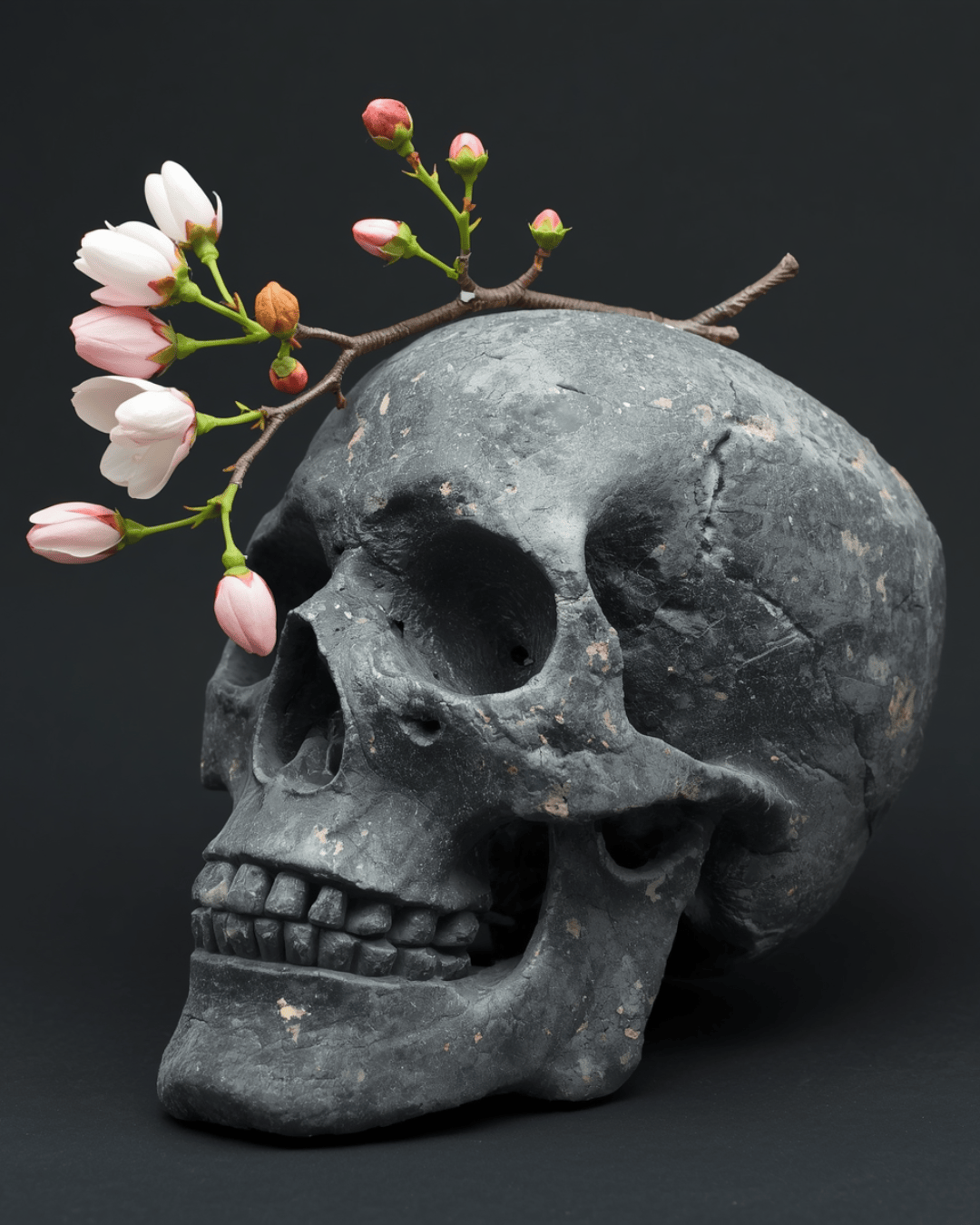
Why did artists place a skull beside—or even in the hands of—Mary Magdalene? Was it only an emblem of mortality and Golgotha, or might she be clinging to the rejected Stone? This brief contemplation opens a doorway through which the Woman Jesus called the Magdalene and the Man Jesus called Simon—the Rock—may be seen.
Tag Archives: Bride and Bridegroom
Epiphany XV: Vinegar and Salt
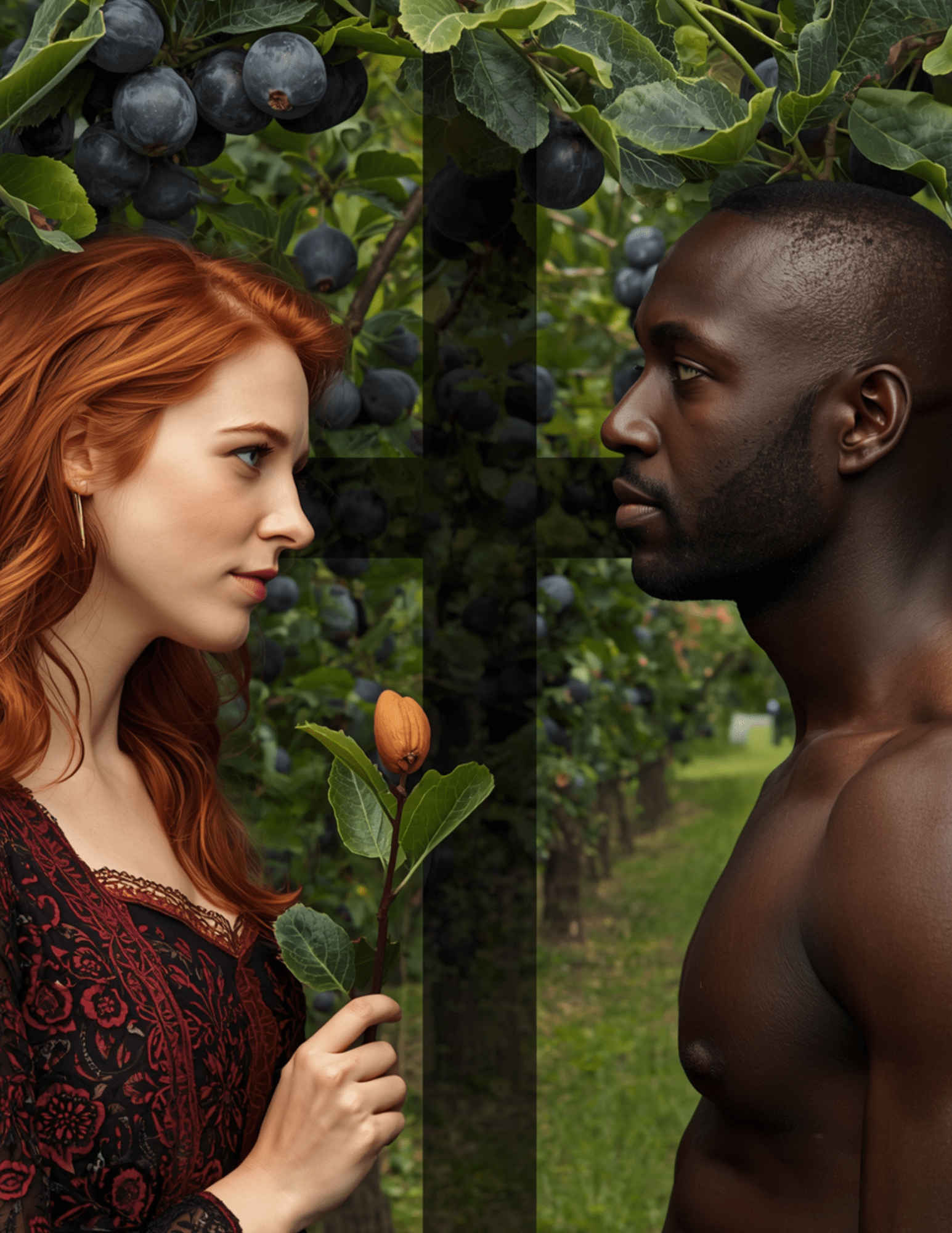
Why is Jesus offered vinegar?
Mockery — or proposal?
Boaz once invited Ruth to dip her bread in vinegar.
At the Cross, that gesture repeats — in Jesus’ final single breath, a covenant is preserved.
Epiphany XIII: Living Water Proclaims
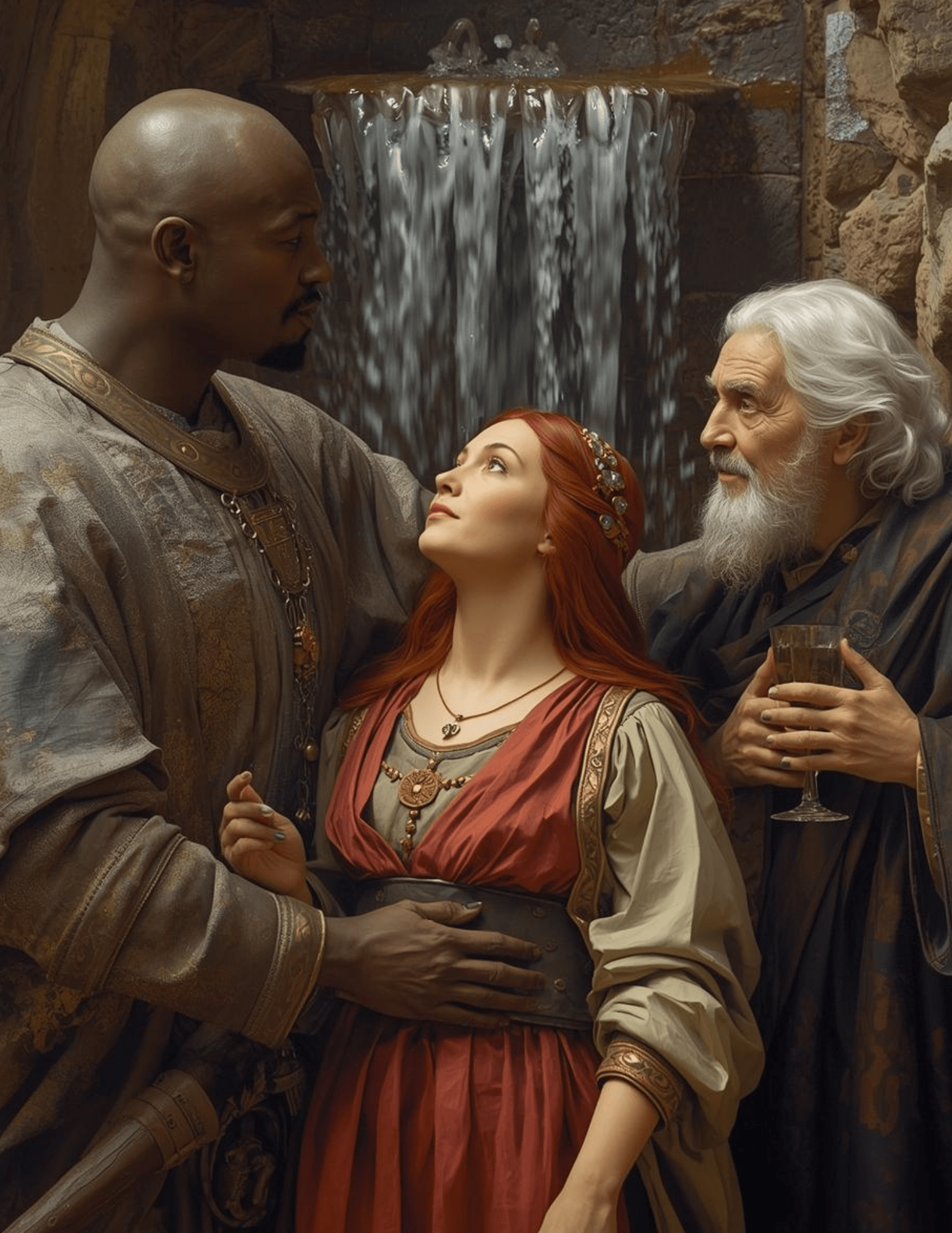
From place to place, Jesus proclaimed what had been kept sacred—
by Moses, the Prophets, and the Psalms.
Not all who heard were ready to receive what had been kept hidden.
But those with ears to hear
went—and began to tell.
Epiphany V: Disturbance on Solomon’s Porch
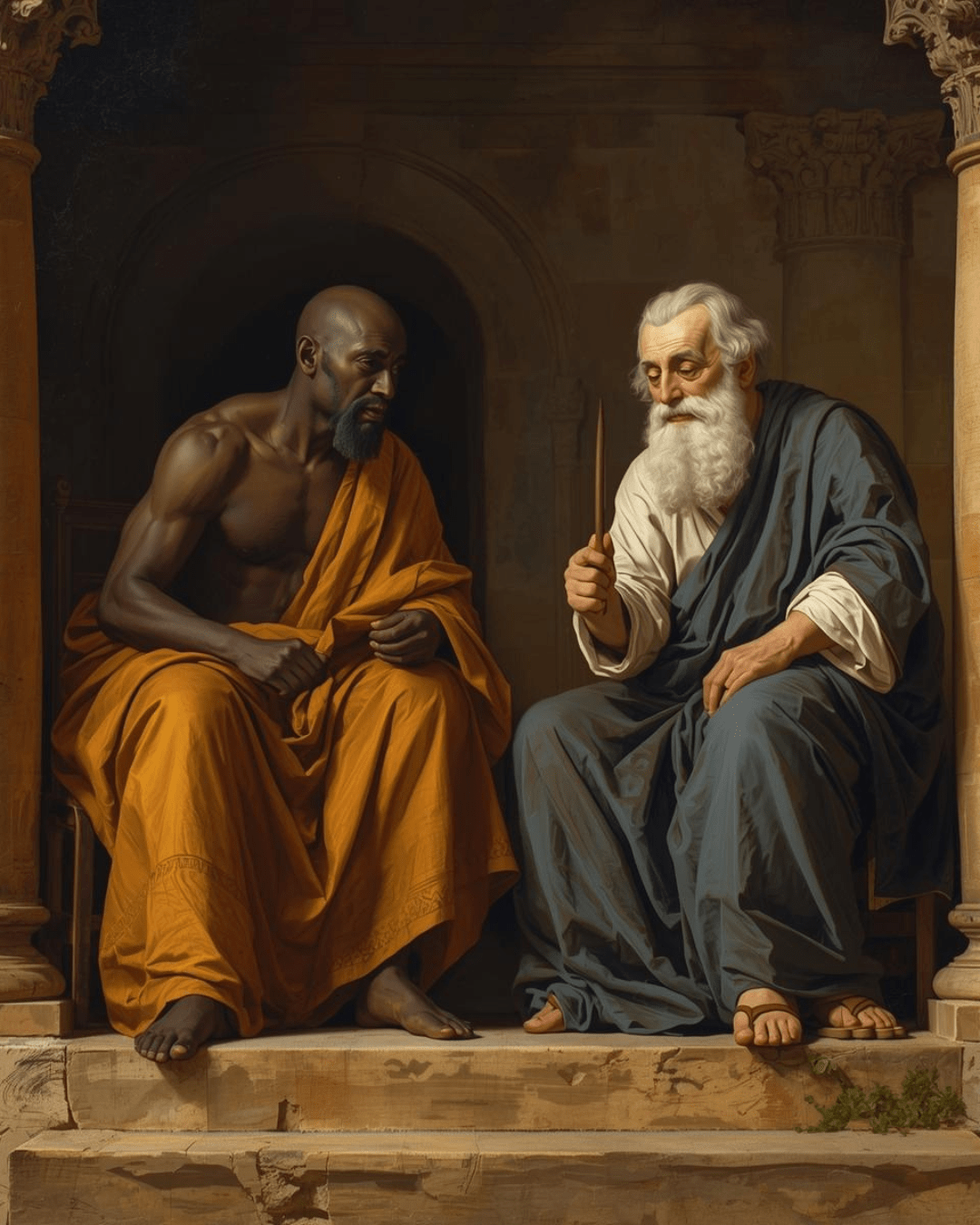
At Solomon’s Porch, an unexpected bloom appears on a leafless branch — the restoration of one long crippled. How can this be? And how can such a fragile miracle be protected without being silenced?
Epiphany IV: Peter’s Speech

At Solomon’s Colonnade, an unexpected bloom appears — the restoration of one long crippled. Peter makes clear this did not happen by his power or John’s alone, but through an ancient love, wounded yet never destroyed.
Epiphany III: At Solomon’s Porch
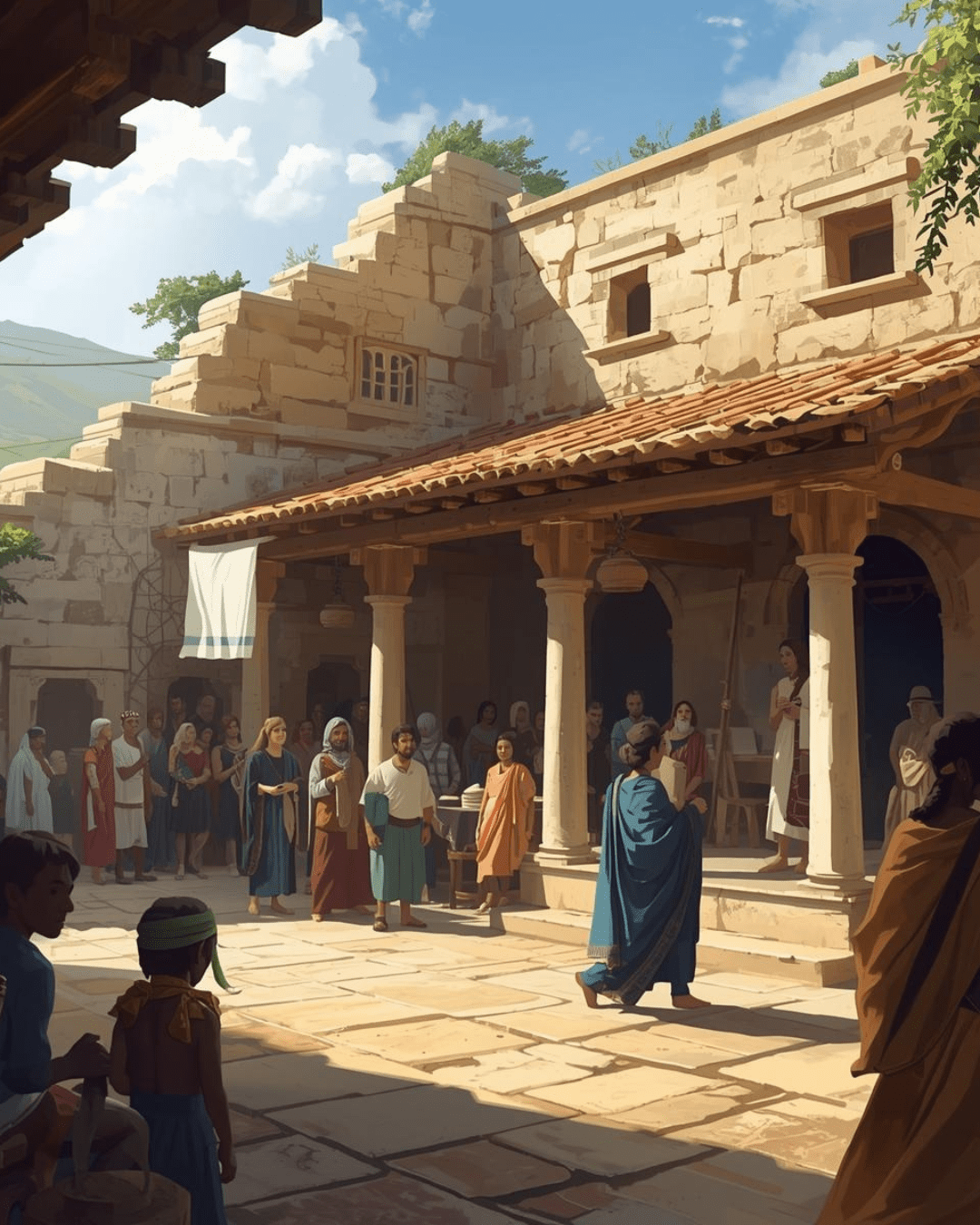
At Solomon’s Porch, what many had long waited and hoped for is revealed in public: Christ, the Bride belonging to the Bridegroom. Long crippled by male-centred worship and male grammar, this epiphany restores not only the Bride, but the Bridegroom — and all who bear witness, from the Forerunner onward.
Who Is My Neighbour? Lessons from the Ditch

The Samaritan Parable, a mirror. The question “Who is my neighbour?” strikes us like a rock as we ponder the words of Micah 6:8.
The Bent Woman

The Bent Woman — the Bride breaking free, standing upright in hope, Christ’s mystery revealed in a prime number pair.
Part of Linda Vogt Turner’s blog series beginning with Priming the Pump and continuing through The Petition of the Bridegroom, What Defines You, and now The Bent Woman.
What Defines You?

What defines us? Is it the names we are given, the work we do, the loves we cherish, the faith we live — or even the last breath we take? In this reflection, Linda Vogt Turner weaves memory, scripture, and the witness of her late husband Gordon and her beloved fiancé Don to show how Christ’s covenant love — fragile yet enduring — defines us still, honouring both mother and father and drawing us into a greater promise.
 Linda Vogt Turner